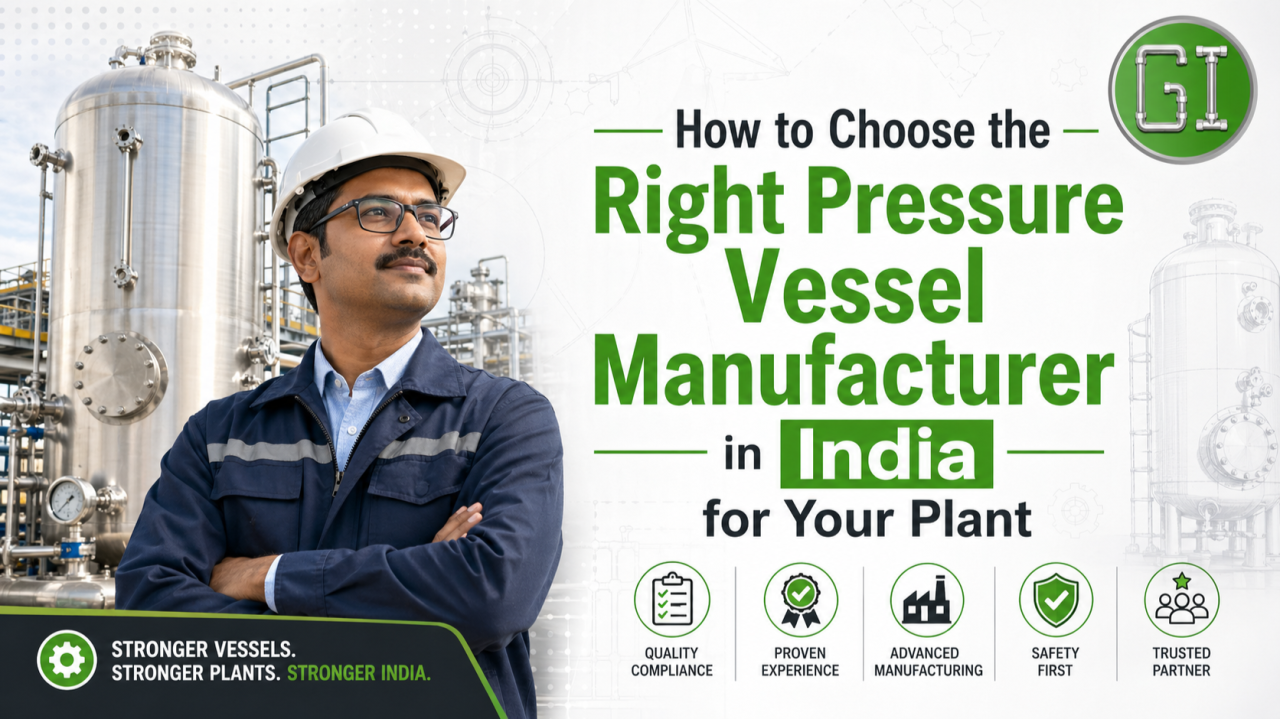
Choosing the right pressure vessel manufacturer is one of the most important procurement decisions for a plant. The vessel must match pressure, temperature, process fluid, corrosion conditions, inspection requirements, statutory expectations, and long-term service needs.
This guide converts the LinkedIn article topic into a clean website reading format for plant managers, project engineers, QA teams, purchase teams, and consultants evaluating pressure vessel manufacturers in India.
Why the manufacturer matters
A pressure vessel is not a commodity item. It is a pressure-retaining system where design, material selection, welding, inspection, testing, and documentation all work together. A low-cost supplier without strong engineering control can create delays, rework, inspection failures, and plant risk.
1. Check technical experience
Look for a manufacturer with hands-on experience in process industries such as chemicals, petrochemicals, pharmaceuticals, food processing, utilities, research, and specialty manufacturing. Experience with pressure vessels, heat exchangers, storage tanks, reactors, skids, and coolers usually indicates better understanding of plant-side requirements.
2. Review codes and standards
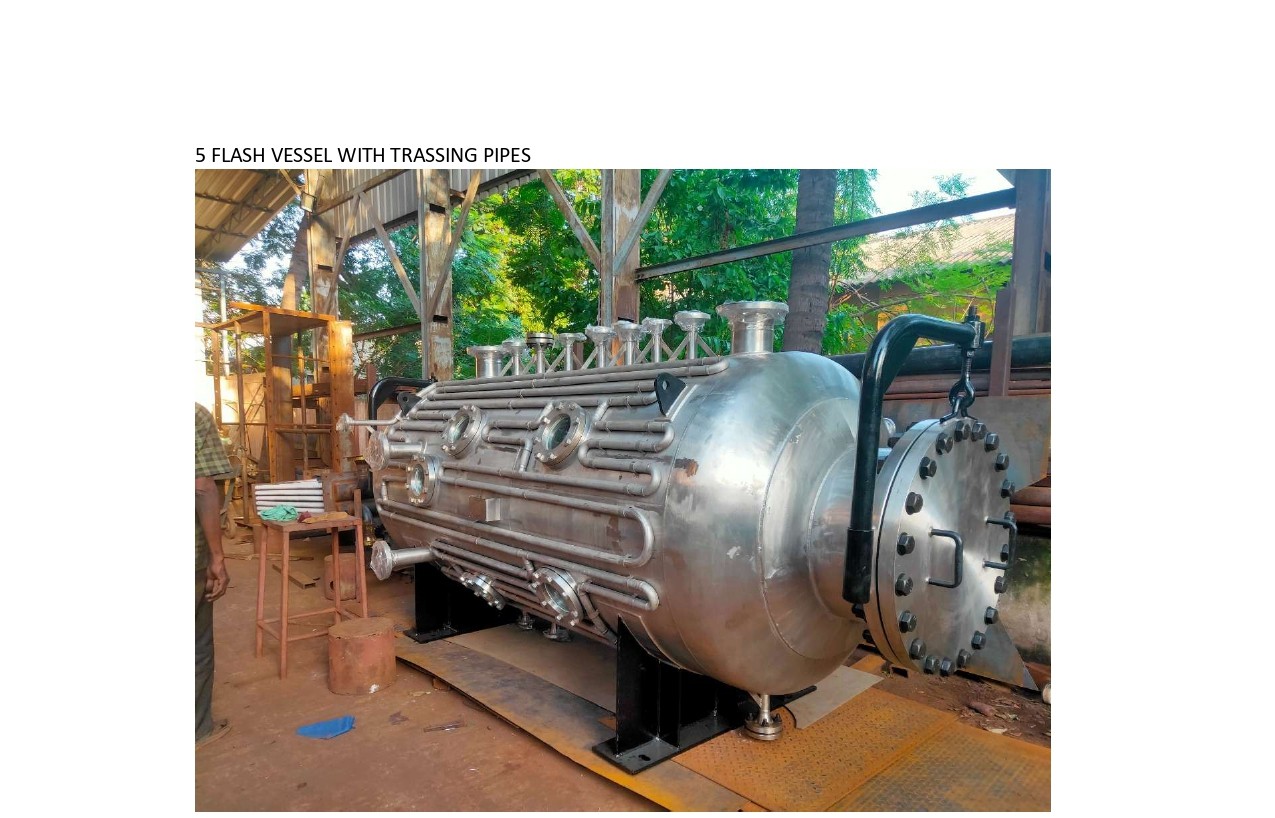
Ask which design codes and fabrication references are followed for the project. For pressure vessels, buyers commonly discuss ASME Sec VIII references, QAP stages, inspection hold points, welding documentation, material certificates, and final testing records.
3. Verify material control
The right material of construction depends on process fluid, pressure, temperature, corrosion allowance, cleaning method, and service life. Stainless steel, carbon steel, non-ferrous alloys, duplex, nickel alloys, Hastelloy, Monel, and Inconel all require different handling and fabrication control.
4. Confirm welding capability
Welding quality is central to pressure vessel reliability. Before ordering, clarify WPS, PQR, welder qualification, fit-up control, joint preparation, consumables, inspection stages, and testing requirements. This is especially important for stainless steel, exotic alloys, and mixed metallurgy jobs.
5. Ask about inspection and testing
A dependable manufacturer should be comfortable with dimensional checks, visual inspection, LPT, thickness verification, hydro testing, pneumatic testing where applicable, and third-party inspection coordination. Inspection should be planned before manufacturing, not added at the end.
6. Study infrastructure and workflow
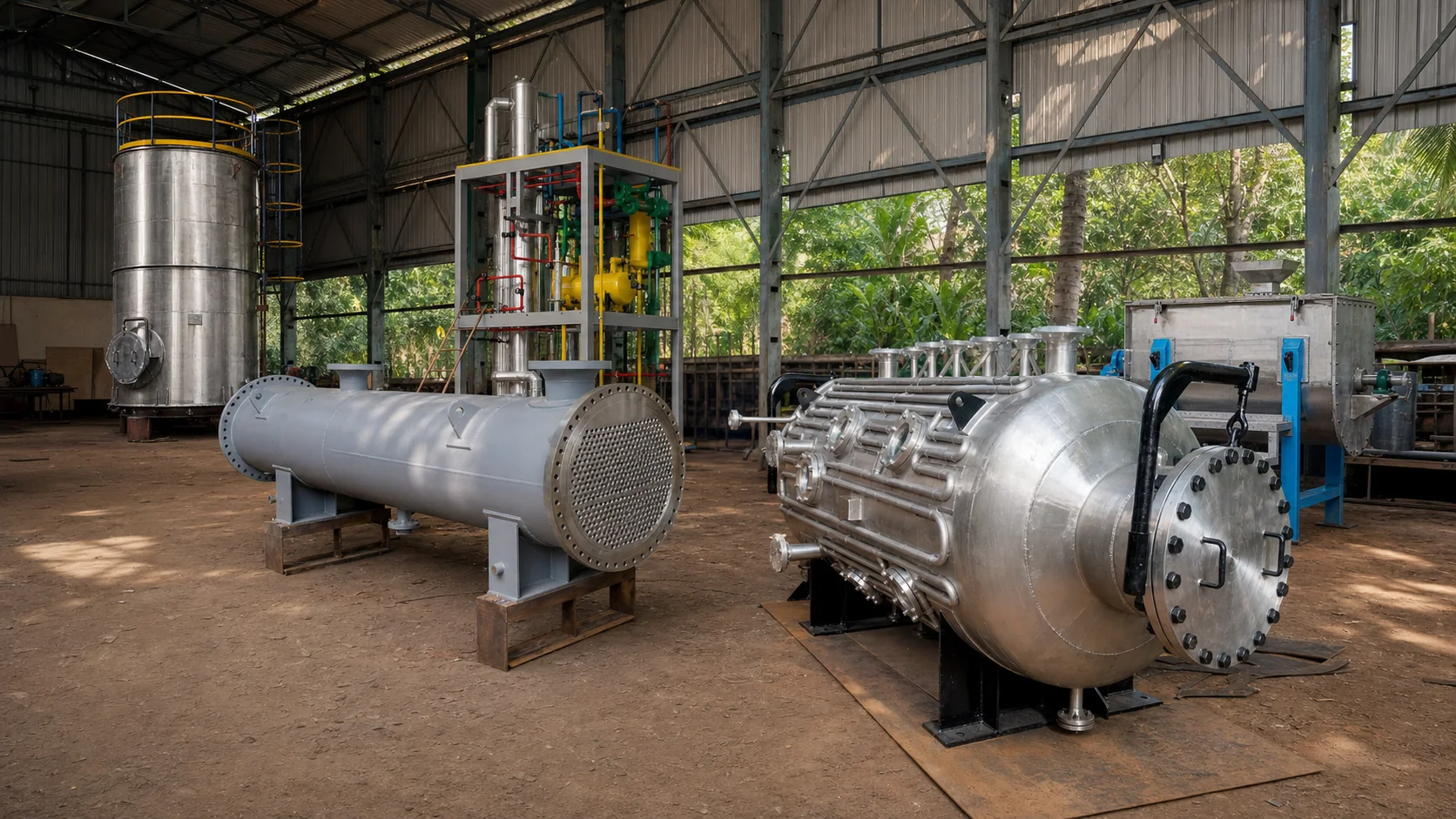
A good fabrication workflow should move from enquiry to evaluation, estimation, techno-commercial discussion, order confirmation, manufacturing, inspection, documentation, and dispatch. This helps the buyer track responsibility at every stage.
7. Look beyond the quote
The lowest quotation may not be the best plant decision. Compare technical clarity, inspection readiness, manufacturing schedule, documentation quality, communication speed, and after-dispatch support. For pressure equipment, predictable execution is often more valuable than a small upfront price difference.
Plant-side checklist
- Design pressure, design temperature, and operating condition.
- Process fluid, corrosion allowance, and MOC requirement.
- Nozzle orientation, manhole, supports, lifting lugs, and access needs.
- Applicable code, QAP, inspection, and testing expectations.
- Drawings, material certificates, welding records, and test reports.
- Packing, dispatch, logistics, and site handling constraints.
Why GI Equipments fits this requirement
GI Equipments manufactures process equipment in Chennai with a focus on pressure vessels, heat exchangers, tanks, process skids, reactors, filters, coolers, tube bundles, and custom fabrication. The team supports stainless steel, carbon steel, non-ferrous, and exotic material work with practical fabrication, welding, outsourcing, quality control, and documentation coordination.
Conclusion
The right pressure vessel manufacturer should help the buyer reduce technical uncertainty. When a supplier asks the right questions, documents the right checks, and plans inspection early, the final equipment becomes easier to approve, install, operate, and maintain.
Need a pressure vessel quotation?
Share your duty, material, inspection, and delivery requirements with GI Equipments for the next technical step. Start an enquiry.