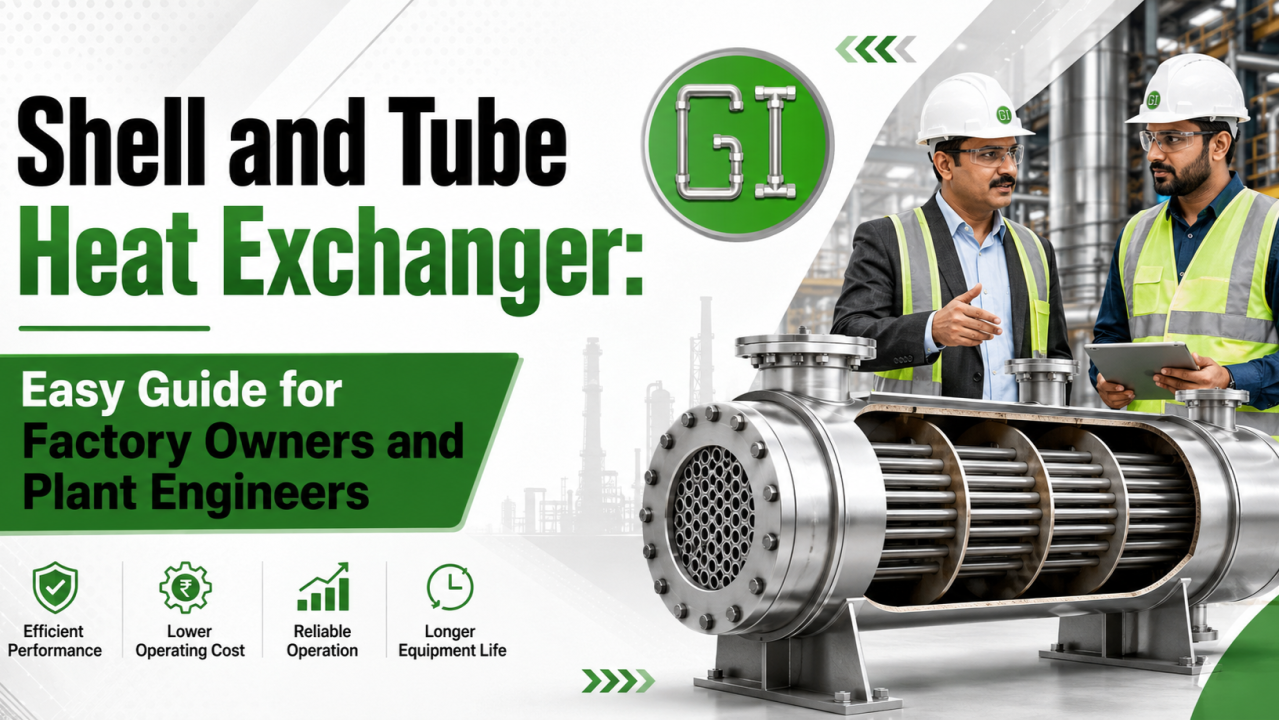
Shell and tube heat exchangers are widely used because they are strong, serviceable, and adaptable for many industrial processes. For factory owners and plant engineers, the key is to define the thermal duty and fabrication requirements clearly before ordering.
What a shell and tube exchanger does
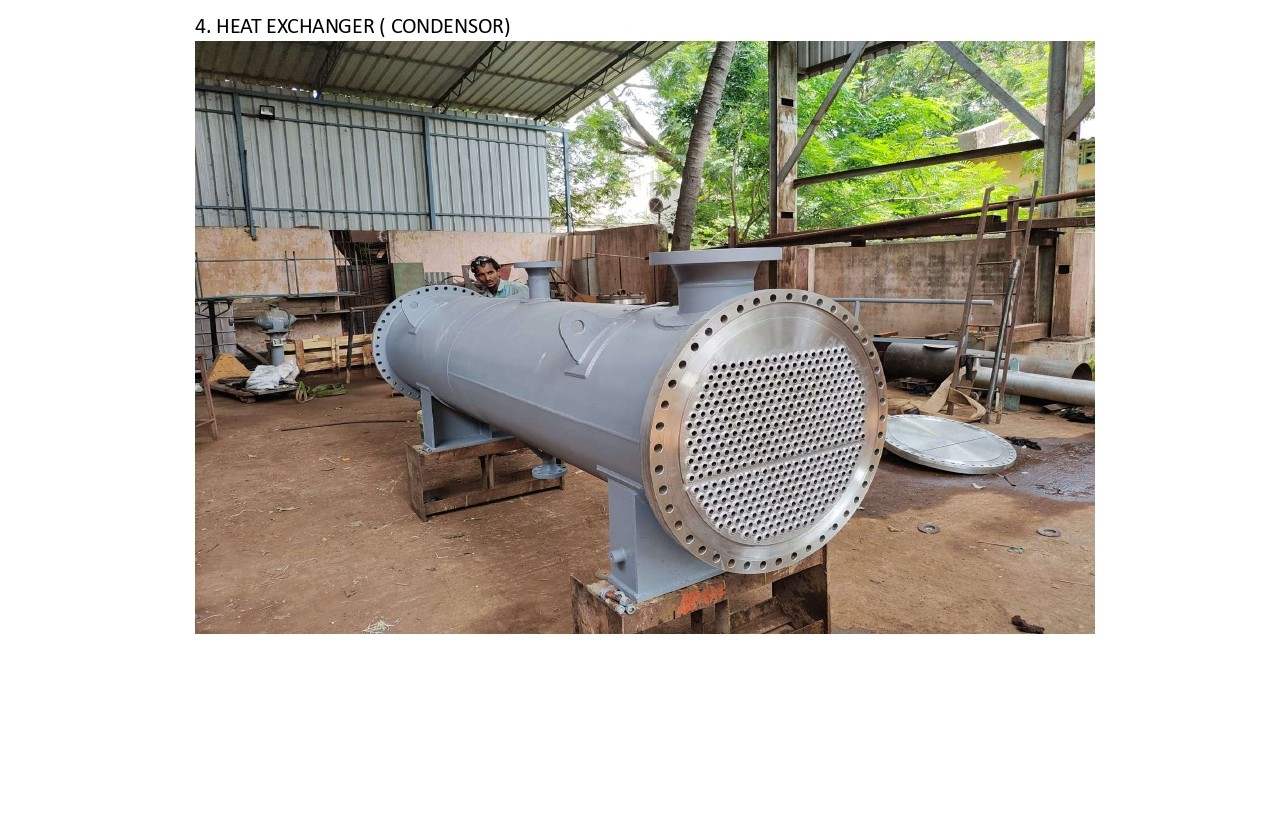
One fluid flows through the tubes while another fluid flows around the tubes inside the shell. Heat transfers through the tube wall without mixing the two fluids. The design must suit temperature, pressure, flow, fouling, cleaning, and maintenance needs.
Define both fluids correctly
Share fluid name, flow rate, inlet temperature, outlet temperature, operating pressure, design pressure, corrosion risk, viscosity, fouling tendency, and cleaning method. These inputs shape tube size, tube count, shell diameter, baffles, and nozzle arrangement.
Select material with the duty in mind
SS304L, SS316L, carbon steel, and other materials are selected based on process chemistry and temperature. Tube material and shell material may be different, so MOC decisions should be documented clearly.
Think about cleaning and maintenance
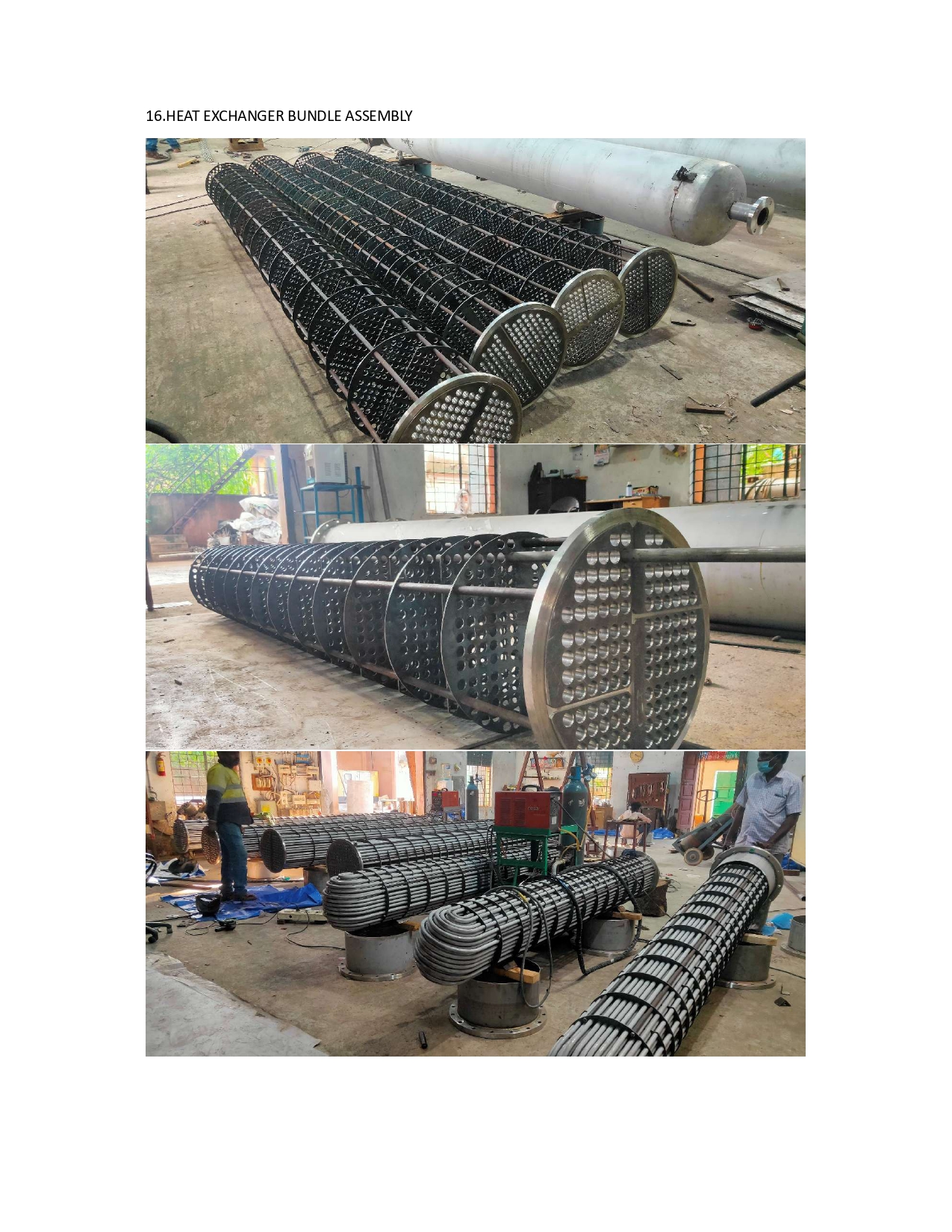
Factories should confirm whether the exchanger needs removable bundles, channel covers, expansion joints, drain and vent points, lifting arrangements, or tube-side cleaning access. Maintenance access can be as important as heat transfer area.
Inspection and testing protect reliability
A fabrication plan should include dimensional inspection, visual checks, weld inspection, tube-to-tube-sheet checks, hydro testing, pneumatic testing if applicable, and final documentation. Ask for test pressure and acceptance criteria before fabrication.
Final thought
A good shell and tube heat exchanger order starts with process clarity. When fluids, temperatures, pressures, materials, cleaning access, inspection, and documentation are aligned, the equipment is easier to fabricate, inspect, install, and maintain.
Planning a heat exchanger?
Share your fluid data, temperature program, pressure, material, and inspection needs with GI Equipments. Start an enquiry.