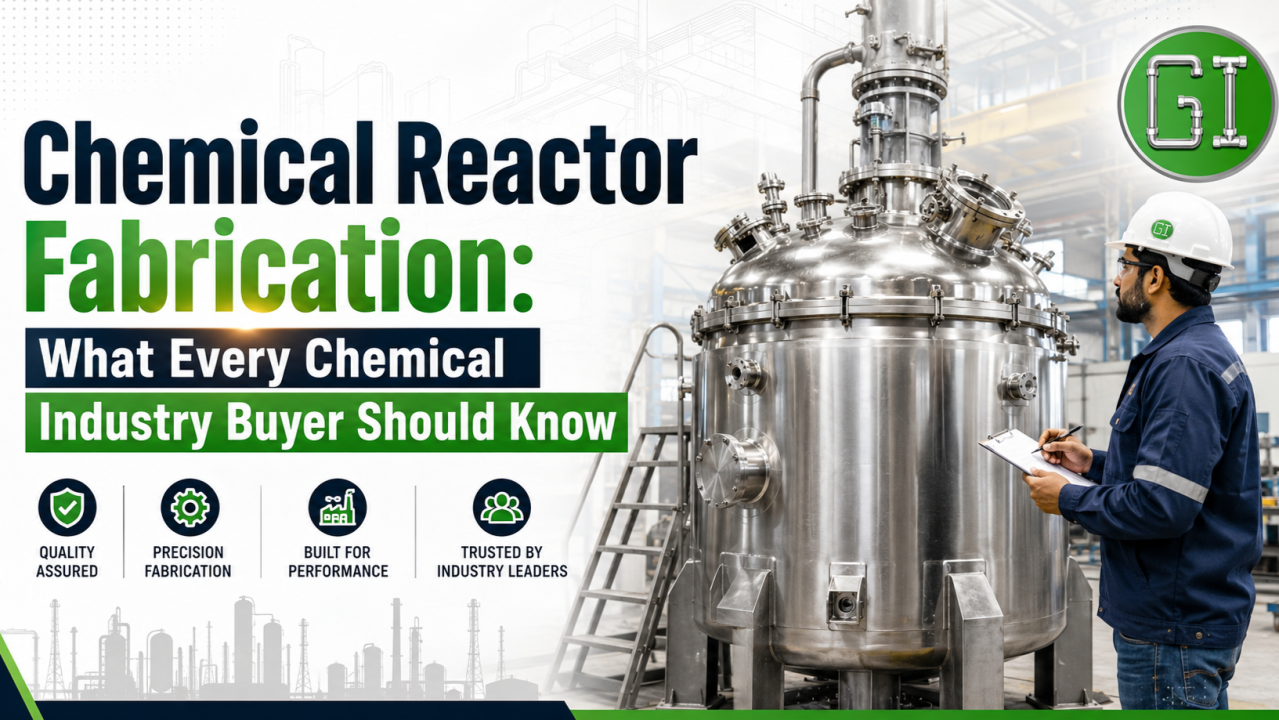
A chemical reactor is not only a vessel with an agitator. It is process equipment where material, pressure, temperature, mixing, cleaning, corrosion, sealing, and safety requirements come together. Buyers should define the duty clearly before fabrication begins.
Define the process duty
Share batch size, process fluid, reaction temperature, pressure, viscosity, heat transfer requirement, corrosion risk, cleaning cycle, and whether the reactor needs jacket, coil, condenser, or skid integration.
Select material carefully
SS304L, SS316L, carbon steel, duplex, lined steel, and exotic alloys are selected based on the chemistry and operating conditions. If the material is wrong, the reactor may face corrosion, contamination, or short service life.
Agitation and internals matter
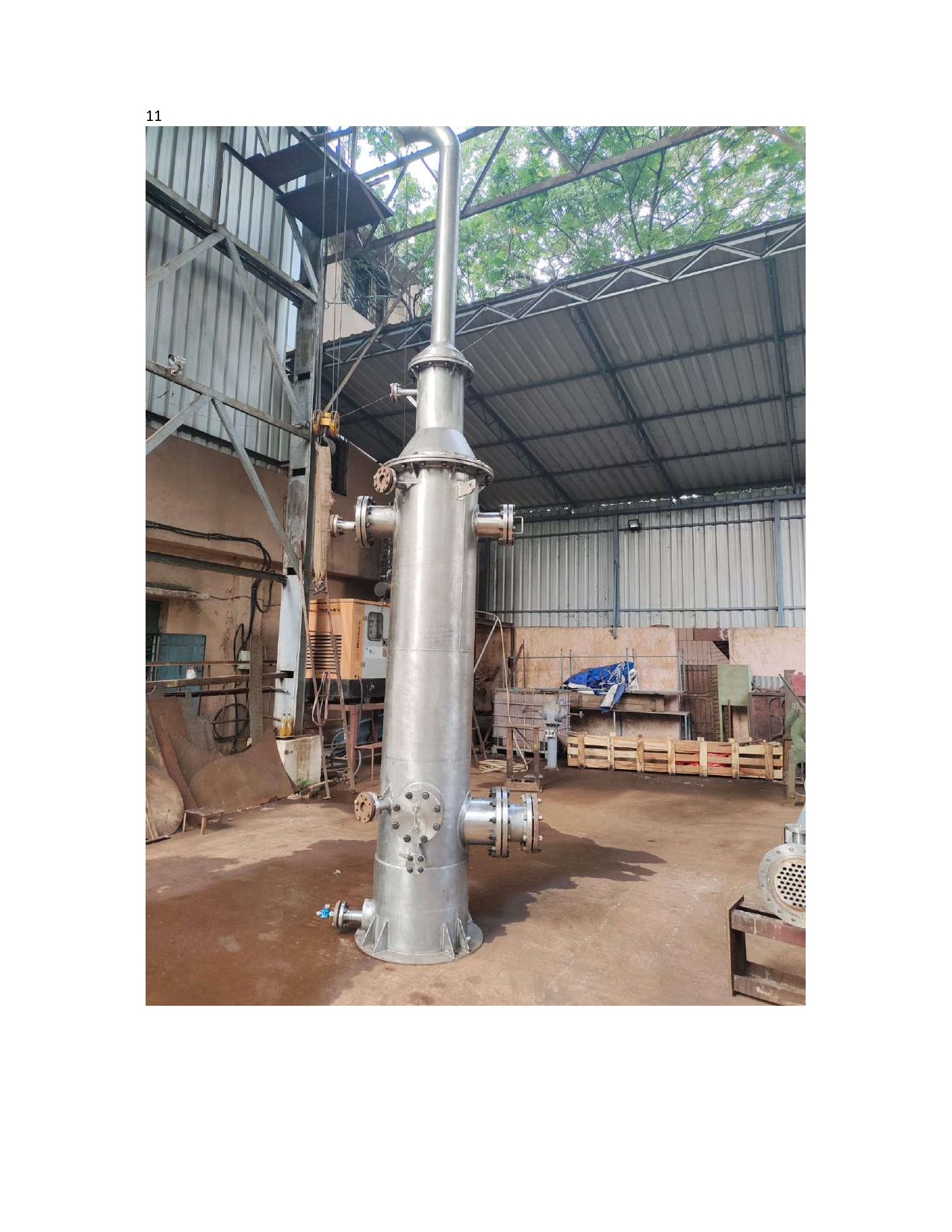
Impeller type, shaft length, baffles, speed, seal arrangement, motor rating, and access for maintenance must be discussed early. Poor agitation design can affect mixing, heat transfer, and product quality.
Welding, lining, and finishing
For reactor fabrication, welding quality, joint preparation, lining compatibility, surface finish, polishing, passivation, and cleaning access are critical. Requirements should be written into the drawing and QAP.
Inspection and testing
Buyers should confirm dimensional checks, visual inspection, NDT if required, hydro test or pneumatic test, lining spark test where applicable, agitator trial, and final documentation.
Final thought
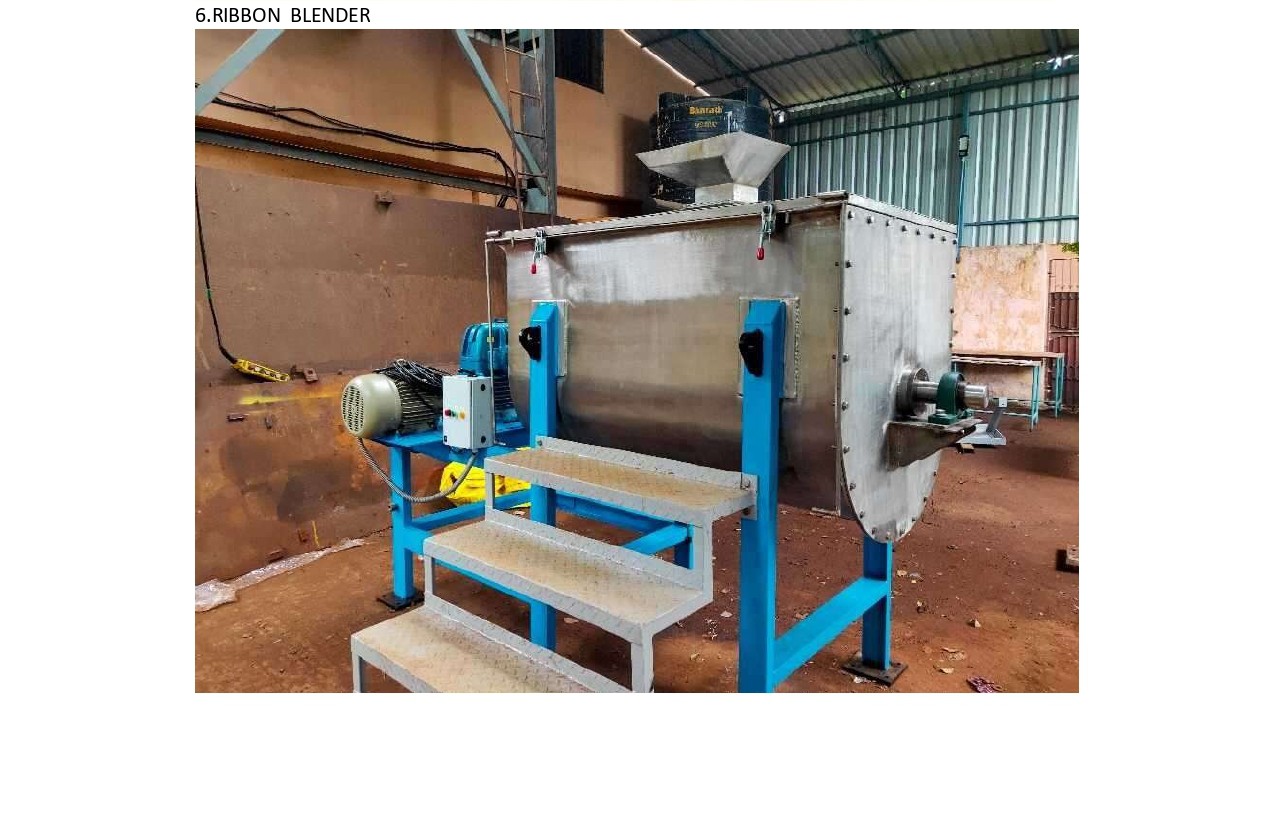
A reactor order becomes successful when the buyer and fabricator align on process duty, MOC, agitation, pressure, temperature, welding, lining, testing, and documentation. The earlier these points are clear, the stronger the project outcome.
Planning a reactor or skid?
Send duty, MOC, pressure, temperature, mixing, and testing requirements to GI Equipments. Start an enquiry.